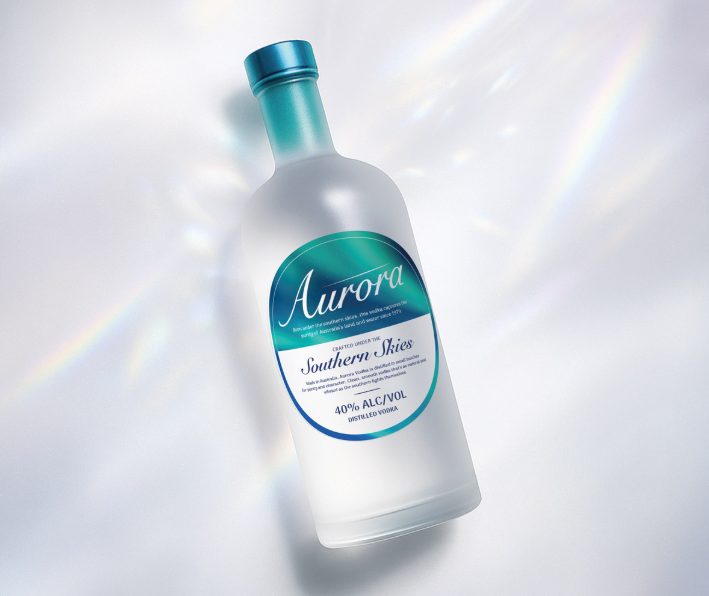
Product packaging today rarely sits still on a clean, dry shelf. It rides through chillers, sweats in fridges, gets splashed in bathrooms, and dodges grease in industrial bays. Labels caught in these environments need to behave themselves no matter what conditions throw at them, or the product behind them starts looking forgettable on shelf.
A peeling, smudged, or warped label tells customers a story the brand never wanted them to read. Investing in waterproof labels gives Australian businesses a packaging solution that keeps branding crisp, barcodes scannable, and product information legible across harsh moisture exposure. That reliability protects shelf appeal, supports repeat purchases, and quietly cuts the cost of reprints when storage turns unpredictable.
When the Fridge Becomes a Label’s Worst Enemy
Condensation Is Quietly Ruining Packaging Every Day: Cold-storage products go through a brutal cycle of moisture changes the moment they leave the chiller. Standard paper labels swell, lift at the edges, and start looking tired before the product even reaches the customer. Modern pressure-sensitive adhesives designed for refrigerated environments solve this by bonding tightly even when condensation builds along packaging surfaces and shelf life stretches out.
Branding Suffers The Moment Labels Fail: A smudged ingredient panel or warped logo signals carelessness, even when the product inside is excellent. Customers tend to assume that whatever they can see on the outside reflects what they cannot see on the inside. Waterproof stock keeps colours sharp and text crisp through chillers, freezers, and shelf rotations alike, protecting the brand’s credibility on every product run.
Cheap Labels Cost More Than They Save: Cutting corners on label stock often shows up later in the form of returned stock, reprint orders, and lost shelf space. The savings of cheaper materials disappear fast when packaging starts looking second-rate next to better-presented competitors on the same shelf. Buyers notice damaged packaging instantly, and that single glance can quietly redirect their purchase to the next brand over.
See also: How Beauty IV Therapy Complements Modern Skincare Routines
Beauty, Beverages and Bottles That Refuse to Behave
Bathroom Steam Tests Every Beauty Label: Shampoos, body washes, and serums live in humid environments that punish flimsy labels in record time. A weekly steam bath turns ordinary paper into a wrinkled mess that no shopper wants to repurchase or recommend. Synthetic polypropylene film handles this exposure with ease, holding shape and finish across hundreds of shower cycles without lifting or fading.
Drinks Demand Labels That Can Take a Beating: Beverage bottles get yanked from ice buckets, dunked in tubs, and dripped on for hours during summer events. Cheap labels turn translucent or start sliding the moment the cap is twisted off in a sweaty palm. Waterproof stocks resist immersion, drag, and condensation drips so the product stays presentable from the brewery floor all the way to the final pour.
Premium Categories Need Premium Performance: Skincare, craft drinks, and artisan ranges sit in price brackets where buyers expect packaging to match the promise. A label that lifts or smudges undercuts the whole positioning and gives shoppers a reason to second-guess the spend. Investing in stock that holds up through real-world storage protects the perceived value the rest of the product line already works to build.
Why Industrial and Frozen Goods Need a Tougher Skin
Frozen Aisle Labels Live a Hard Life: Frozen products go through hours of thawing, refreezing, and rough handling before they even reach a customer’s basket. Paper labels rarely cope with that cycle, fraying at the corners and lifting where moisture creeps under the adhesive. Synthetic stocks built for sub-zero conditions stay flat, sealed, and readable across the journey, regardless of how rough the trip becomes.
Industries That Lean Hardest On Waterproof Stock: Different sectors put labels through wildly different tests, and each one benefits from a material that simply refuses to quit. From beverages chilled in ice buckets to industrial drums sitting in dusty, oily bays, the right waterproof stock keeps performing where standard paper labels stumble and start letting the brand down. Common applications include:
- Craft beer bottles dunked in ice tubs throughout summer trading
- Frozen ready meals cycling through chest freezers and home microwaves
- Industrial solvents and lubricants stored in greasy warehouse environments
- Skincare products living through daily steam, splash, and condensation across hundreds of bathroom routines
- Sauce, dressing, and condiment jars that drip, spill, and get wiped down between uses
Warehouse Wear Demands Real Resilience: Industrial packaging gets dragged, stacked, scuffed, and stored in conditions most consumer goods never experience. Standard paper labels rarely survive that environment for long, leaving products mislabelled or stripped of critical handling information before they reach distribution. Tougher synthetic substrates take the abuse without giving up readability, which keeps logistics moving and compliance information intact.
Where Smart Packaging Decisions Pay Off
Choosing waterproof stock is less about chasing premium for its own sake and more about backing the product against everything real storage will throw at it. Smart packaging decisions protect brand presentation, reduce reprint waste, and quietly hold value across every shelf, fridge, and warehouse the product passes through. Order packaging that performs as hard as the business behind it.