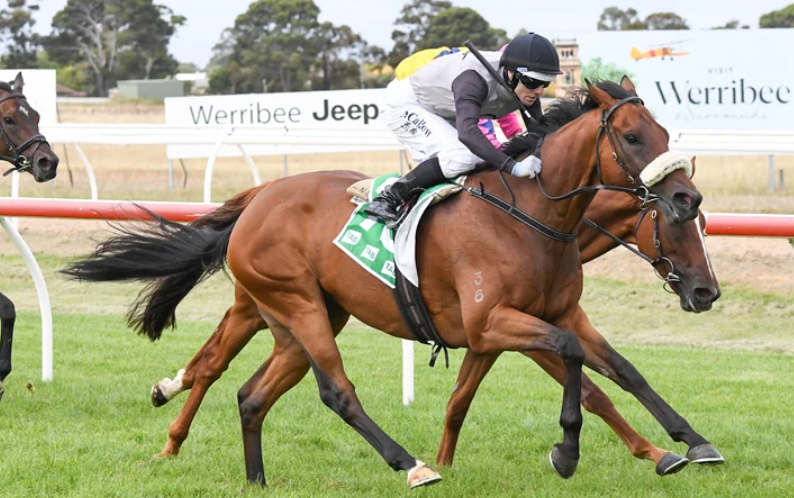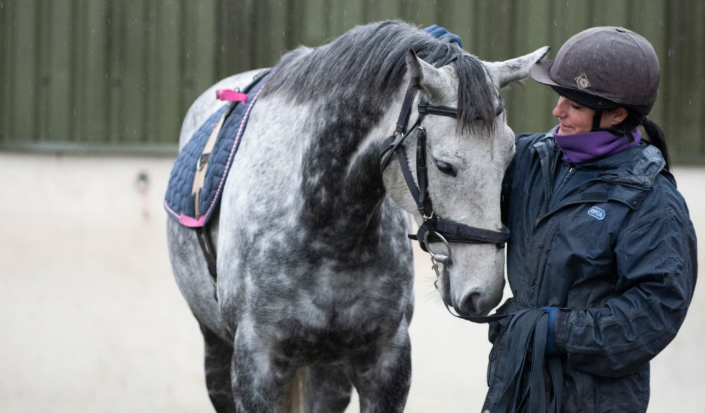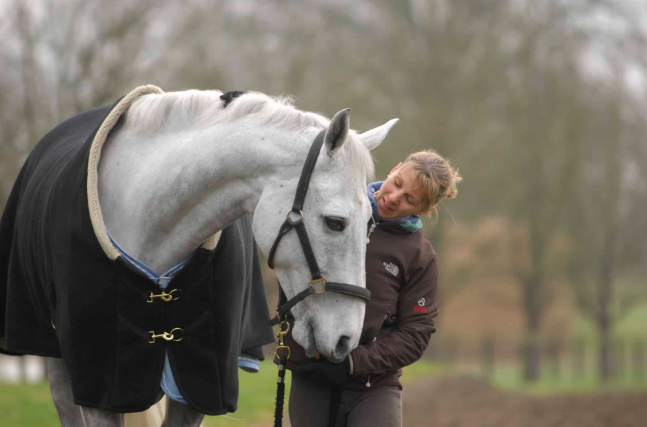
Stable workers and handlers are essential to the equine industry, providing daily care and management that ensures horses thrive. Their responsibilities extend beyond feeding and grooming; they also monitor health and maintain safety. By establishing trust with the animals, they create an environment conducive to well-being. However, the complexity of their roles raises questions about the specific practices that enhance equine care. Understanding these can profoundly impact the overall health and safety of horses.
Daily Care and Management of Horses
Ensuring the daily care and management of horses requires a systematic approach that prioritizes the well-being of each animal.
Implementing consistent feeding schedules and effective grooming techniques fosters not only physical health but also emotional stability.
Health Monitoring and Emergency Response
While routine care is crucial, vigilant health monitoring and prompt emergency response are equally essential for maintaining the well-being of horses in a stable environment.
Regular health assessments allow stable workers to identify potential issues early, ensuring timely intervention.
Adhering to established emergency protocols can significantly mitigate risks, safeguarding both horses and handlers, and fostering an environment of proactive care and responsibility.
See also: Royal Ascot: Where Racing Meets Royalty
Facility Maintenance and Safety Practices
Facility maintenance and safety practices are integral to creating a secure and efficient environment for both horses and handlers.
Regular equipment inspections ensure all tools and machinery function correctly, reducing the risk of accidents.
Additionally, adhering to sanitation protocols maintains health standards, preventing disease spread.
Conclusion
In summary, the roles of stable workers and handlers are indispensable to the health and safety of horses. Through diligent care, vigilant health monitoring, and strict adherence to safety practices, they not only nurture the well-being of these majestic animals but also create a harmonious environment. Like the steady beat of a galloping horse, their unwavering commitment ensures that every hoofprint left behind echoes the dedication to equine welfare, making their contributions invaluable in the equestrian world.