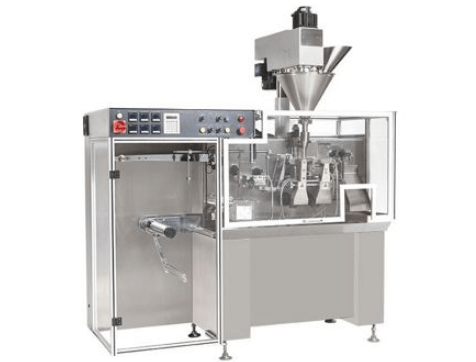
The food industry depends on packaging solutions that can maintain freshness, improve productivity, and protect products during storage and transportation. A horizontal form fill seal machine helps food manufacturers automate the packaging process by combining forming, filling, and sealing into one continuous operation. This technology allows businesses to achieve consistent packaging quality, reduce waste, and improve overall production efficiency.
The Role of Automation in Food Packaging
Food packaging requires accuracy, speed, and hygiene to meet both customer expectations and industry standards. Traditional manual packaging methods often require more labor and may result in inconsistent package quality.
Automated packaging systems help manufacturers streamline operations by reducing manual involvement and improving process control. With advanced packaging technology, businesses can handle larger production volumes while maintaining reliable results.
What Is a Horizontal Form Fill Seal Machine?
A horizontal form fill seal machine is an automated packaging system that creates packages from a roll of film, fills them with products, and seals them securely. The entire process takes place in a horizontal direction, making it suitable for many food products that require organized and attractive packaging.
This type of equipment is commonly used for products that need protection from air, moisture, contamination, and external factors. It supports different packaging formats depending on product requirements.
How Horizontal Form Fill Seal Machines Improve Food Packaging Efficiency
Faster Production Speed
One of the biggest advantages of automation is increased production speed. Food manufacturers often need to package large quantities of products within limited timeframes.
A horizontal form fill seal machine allows continuous packaging operations by performing multiple steps together. This reduces delays and helps businesses improve output without increasing manual workload.
Better Packaging Consistency
Maintaining uniform packaging quality is essential in the food industry. Customers expect products to have the same appearance, size, and sealing quality every time.
Automated forming and sealing processes help create consistent packages by controlling each step more accurately. This improves product presentation and supports brand reliability.
Reduced Packaging Waste
Material waste can increase production costs and affect efficiency. Modern packaging systems are designed to use packaging materials more effectively by controlling film movement, package size, and sealing operations.
Better accuracy helps manufacturers reduce unnecessary material usage while maintaining strong and secure packages.
Improved Food Safety and Hygiene
Food products require packaging methods that minimize contamination risks. Automated packaging equipment helps create a cleaner production environment by reducing direct human contact during the packaging process.
Secure sealing also helps protect food products from external conditions, supporting freshness and extending product shelf life.
See also: Chimney Cleaning Checklist for Boston Homes
Flexible Packaging for Different Food Products
The food industry includes a wide range of products with different packaging needs. From snacks and bakery items to frozen foods and ready-to-eat meals, packaging requirements can vary significantly.
Horizontal packaging systems can be adapted for different product sizes, shapes, and materials, making them useful for multiple food applications.
Common food products packed through this technology include:
- Snacks and confectionery items
- Biscuits and bakery products
- Frozen foods
- Ready meals
- Fresh food products
- Consumer food items
Lower Labor Requirements
Manual packaging processes often require multiple workers to complete forming, filling, and sealing tasks. Automation reduces the need for repetitive manual work and allows employees to focus on other production activities.
This helps manufacturers improve workflow efficiency and manage resources more effectively.
Better Product Protection During Distribution
Food products go through different stages after packaging, including transportation, storage, and retail handling. Strong packaging helps maintain product quality throughout the supply chain.
A reliable sealing process reduces the chances of leakage, damage, or exposure to outside conditions.
Choosing the Right Packaging Solution
Selecting suitable equipment depends on several factors, including product type, packaging material, production speed, and business goals.
Manufacturers should evaluate their current production needs and future expansion plans before choosing packaging machinery. The right solution can support long-term efficiency and consistent product quality.
Frequently Asked Questions
What foods can be packaged using horizontal packaging machines?
Many products including snacks, bakery items, frozen foods, and ready-to-eat products can be packaged using this technology.
How does automation improve food packaging?
Automation speeds up production, improves consistency, reduces waste, and supports better hygiene.
Can packaging machines handle different food sizes?
Yes, many systems can be adjusted according to product dimensions and packaging requirements.
Does automated packaging reduce material waste?
Yes, accurate film control and sealing processes help minimize unnecessary material usage.
Why is sealing important in food packaging?
A proper seal protects products from contamination, moisture, and environmental factors.
What should food manufacturers consider before buying packaging equipment?
They should consider product type, production capacity, packaging material, and required packaging format.
Conclusion
Horizontal form fill seal machines have become an important part of modern food packaging operations. By improving speed, consistency, hygiene, and material efficiency, these systems help manufacturers meet increasing production demands.
For businesses looking to improve their packaging process, choosing the right automated solution can create better results, reduce operational challenges, and support long-term growth.