Assembly lines deal with constant tension. Speed matters. Quality matters. Getting both right at the same time is where most manufacturing operations stumble. Part after part moves through your line, and if even one misaligns, the ripple effect compounds. A component that’s off by a tenth of a millimetre gets bolted into place, the next assembly stacks on top of it, and by the third or fourth stage, tolerance stack-up becomes your biggest headache. This is exactly why guide pins exist. They’re purpose-built to solve one specific problem, and understanding how guide pins work gives you a tool that prevents failures before they happen.
What Guide Pins Actually Do in Your Assembly
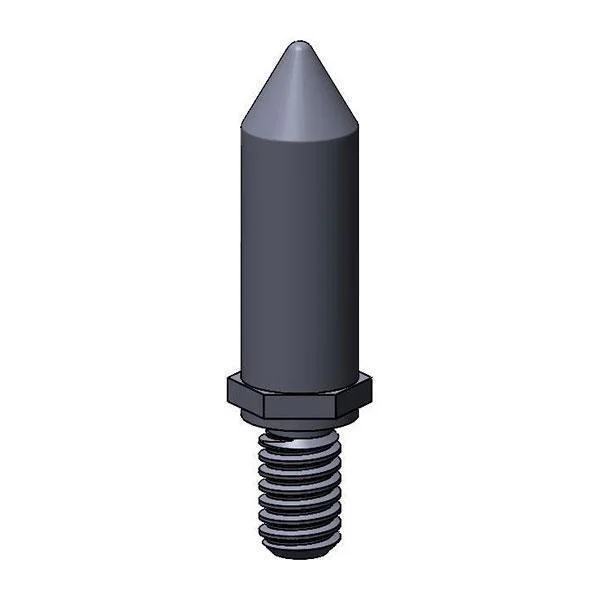
Guide pins are cylindrical fasteners designed to keep components aligned during assembly and before fastening happens. Think of them as a mechanical guarantee. They locate mating parts in the correct position and hold them there while bolts, screws, or other primary fasteners do their job. The pin sits in a hole, the mating part slides onto the pin, and the parts are now positioned exactly where they need to be.
The simplicity is deceptive here. What looks like a basic cylindrical pin carries real responsibility in the assembly process. Guide pins absorb alignment forces that would otherwise burden your bolts. When you insert a component without guide pins, the bolt threads have to find their own way. Bolts aren’t designed for that kind of lateral force. They bend. They strip. Fasteners fail under conditions they were never meant to handle. Guide pins eliminate that problem entirely.
See also: Dog Pawtraits: Turning Your Beloved Pet Into a Timeless Work of Art
Why Precise Alignment Prevents Assembly Failures
Misalignment costs money in ways that aren’t always obvious. A bolt that’s slightly crooked takes longer to drive in. Your operator applies more torque. The fastener twists instead of seating. Now you have a joint that looks tight but isn’t. It will fail in service, and that failure happens after the component ships and after money has been spent on handling.
Consider a bracket bolted to a machinery frame. If the holes don’t line up precisely, the bracket hangs at an angle. A bolt driven through that angled hole experiences shear stress it shouldn’t experience. Guide pins prevent this. They seat the bracket in its correct position before any fastener is installed. The bolt then goes in perpendicular to the surface, under pure tension, performing exactly as the engineer designed it.
Manufacturing tolerances exist for a reason, but they’re ranges, not guarantees. A hole might be plus-or-minus 0.05 millimetres. Multiply that across three parts stacked together, and you’re dealing with potential misalignment of 0.15 millimetres or more. On small assemblies, that might be acceptable. On precision applications, it’s unacceptable. Guide pins act as a secondary locating system that tightens up that variability.
How Guide Pins Fit Into Your Assembly Process
The installation method matters. Typically, guide pins are inserted into a fixed component first. That component becomes your reference. The mating part then slides onto the guide pins. The pins locate the second part relative to the first. Once the parts are positioned, bolts or screws secure them permanently.
The diameter of the guide pin affects how much play exists during assembly. A loose fit allows slight shifts during insertion, while a tight fit provides more rigid location but requires more assembly force. Length matters too. A guide pin needs to reach components into position without interfering with other fasteners. Some assemblies use multiple guide pins to prevent twisting or tilting as parts seat into place.
The Material Question and What it Affects
Guide pins are typically made from alloy steel or stainless steel. Steel offers strength and durability for multiple assembly cycles. The material choice affects stress tolerance and reusability. Some operations use guide pins once and discard them. Others reuse the same pins through hundreds of assemblies.
Lateral forces during insertion make material selection important. A softer material deforms and loses precision. A harder material resists those forces better but becomes more brittle. Surface finish also matters. A rough surface creates friction that slows assembly, while polished surfaces speed insertion but might reduce location rigidity.
When Guide Pins Make the Difference
Guide pins shine in applications where assembly speed and consistency matter equally. High-volume production lines benefit most. Each assembly that moves through your line benefits from the same locating precision. No operator skill variation. No inconsistent results. Every component sits in exactly the same position relative to the frame or base it’s mounted to.
They’re also valuable in any assembly where parts cost enough that damage during assembly is unacceptable. Precision instrument housings, automotive electrical connectors, aerospace component brackets, these applications justify the cost of guide pins because the cost of assembly failure exceeds the cost of the pins themselves.
Making the Right Choice for Your Assembly
Selecting guide pins involves hole locations, component materials, assembly sequence, and the forces at play. Part geometry determines how many pins you need and where positioning should occur. Material choice affects the fit tolerance options available. The assembly process itself determines whether you need reusable or single-use pins. Getting this right requires understanding both the parts being assembled and the mechanical forces at work.